Lawsuit Abuse Is Bankrupting Washington's Counties, and Taxpayers Are Paying the Bill
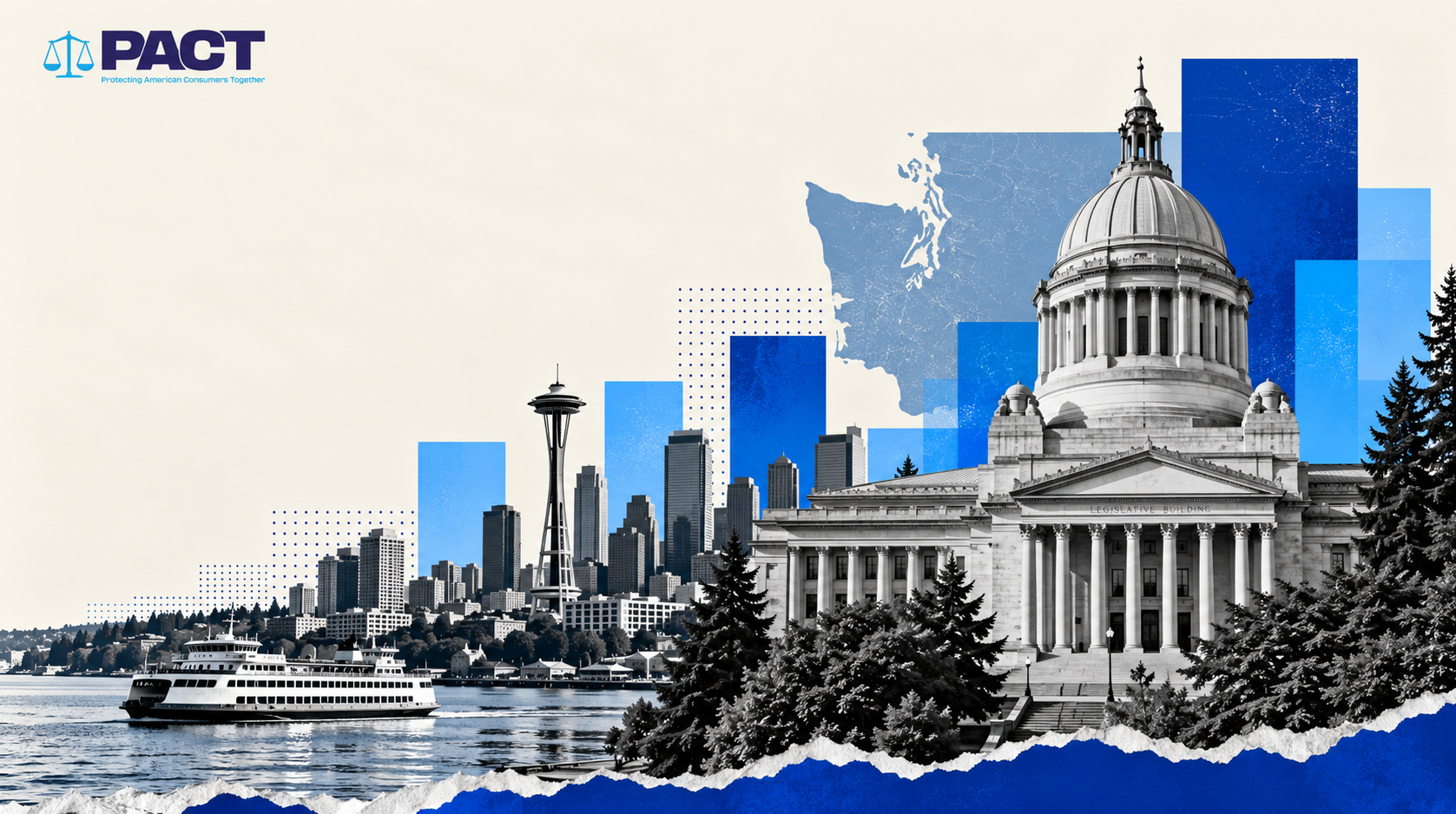
Washington's county insurance pool ended 2025 about $25.3 million short on the state auditor's test of whether it could pay its unpaid claims, forcing counties to tap general funds intended for basic functions. The pool, which covers nearly two-thirds of the state's counties, "did not have sufficient cash and investments at year-end to cover its unpaid claims liabilities," the auditor found, according to a Seattle Times investigation by Patrick Malone.
The state auditor reports that the counties' claims liabilities rose from $67 million in 2024 to $123 million in 2025. The pool also raised its base rate by 35% this year, taking an additional $17 million from county general funds, according to the Times. "Our members are running deficits, cutting into fund balances, making cuts into their vital services," said Derek Young, director of the Washington State Association of Counties.
Attorney General Nick Brown put it plainly: "the path we're on is not going to be sustainable for the foreseeable future."
Officials across Washington have been sounding the alarm for months. Newcastle City Manager Scott Pingle said at a September 15 council meeting, "We have to do something about liability costs in the state of Washington, and that's where the reform priority comes in."
Highline Public Schools Board President Joe Van said nearly all increases across school districts this year are "tied directly to Washington state's lack of lawsuit abuse reform and the resulting legal environment." The state closed its fiscal year with a record $614 million in lawsuit payouts, legal fees and settlements, and its self-insurance fund is $1.7 billion short of expected claims liabilities.
Young contends that Washington's rules expose governments to liability that other states do not. A jury could find an at-fault driver 80% responsible for a crash and the county 20% responsible, yet the county would be liable for any part of the judgment the driver cannot pay. The rule is sometimes called deep-pocket liability. Young claimed, "Washington is basically alone. ... Nobody else does it that way."
Chuck Boyd, executive director of the risk pool, said that threw the counties' liability estimates into chaos.
"The biggest thing is the unpredictability. We're having to react to something that was out of our control and isn't being funded by the state."
Washington's trial lawyers see it differently. They say limiting lawsuits against government would deny sexual abuse victims the justice they are owed. Kelli Carson of the Washington State Association for Justice pointed instead to direct solicitation of clients, which the state Supreme Court authorized in 2021 and which allowed aggregators to bundle claims. "All of these things are being left out of the conversation," Carson said.
A study committee commissioned by the Legislature is due to deliver recommendations on Nov. 1. "We need action, and it needs to be this year," Young said.
Washington lawmakers should answer with reforms that end deep-pocket liability, rein in solicitation and claim bundling, and protect real victims' right to recover.