Washington's Lawsuit Crisis Is Draining Public Services. Lawmakers Must Act.
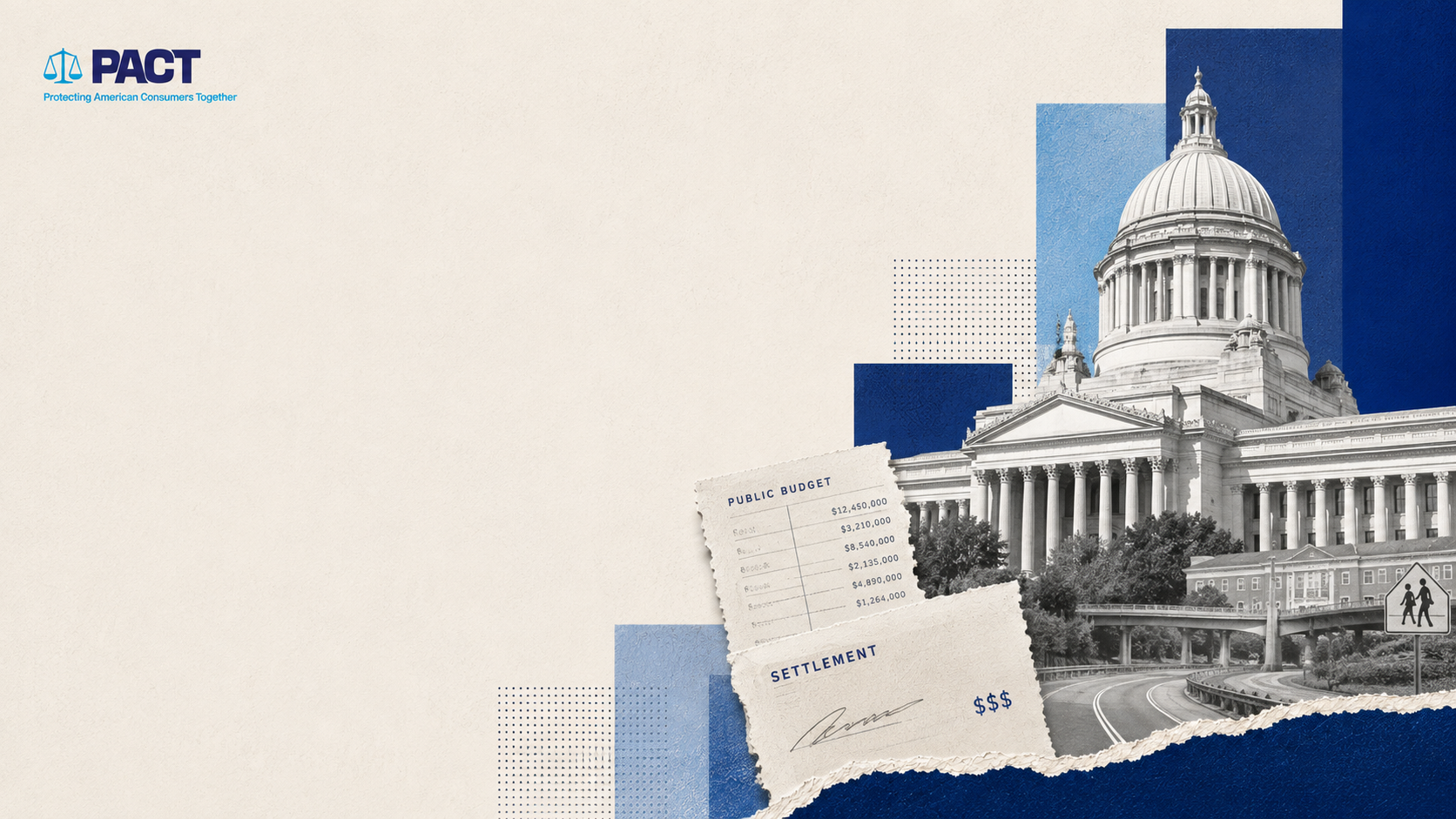
Washington state just closed its fiscal year with a record-setting $614 million in lawsuit payouts, legal fees, and tort settlements, up from $557 million the year before. That money comes directly from taxpayers, at the direct expense of the schools, social services, and infrastructure that Washington families depend on every day. This is not new, and Washington is not alone.
How did Washington get here? According to a recent report by the Washington State Association of Counties, Washington's waiver of sovereign immunity is broader than any other state in the nation. Courts have steadily expanded the ability to bring claims against the government, and the elimination of statutes of limitations on childhood sexual abuse cases caused claims against the Department of Children, Youth and Families to explode from just four in 2018 to 1,110 in 2025. A single Pierce County case produced a jury verdict of $117 million. As the Seattle Times editorial board warned:
"Washington's expansive liability for purely governmental functions and decisions has produced high legal defense costs and increasing tort payouts, financed by taxpayers at the expense of other services, raising the question of whether such a system is in the public interest."
Washington's own Insurance Commissioner has sounded the alarm as well. Excessive litigation is draining the risk pool dry, squeezing budgets and threatening the fiscal stability of state and local governments alike.
Earlier this year, state Sen. Manka Dhingra guided a modest reform bill through the Washington State Senate, 33 to 16. Her legislation would have introduced arbitration and review processes to speed and streamline cases, not eliminate victims' rights, just add meaningful structure. The House's Civil Rights and Judiciary Committee did not give the bill so much as a hearing.
Florida enacted meaningful lawsuit abuse reforms and has since seen insurance rates fall, litigation decline, and consumer costs stabilize. The lesson is not complicated: reform produces results. Inaction produces larger bills and fewer services. Governor Bob Ferguson and Attorney General Nick Brown must now step forward with the leadership this crisis demands. Without it, the Seattle Times editorial board warned, "ballooning [lawsuit] costs likely will plague state and local governments for years to come."
Washington's legal system should protect real victims. A system that pays out $614 million in a single fiscal year, with no structural accountability and a legislature unwilling to even debate reform, is not delivering justice. It is delivering a slow-moving fiscal crisis. Lawmakers have a duty to change course. The time is now.