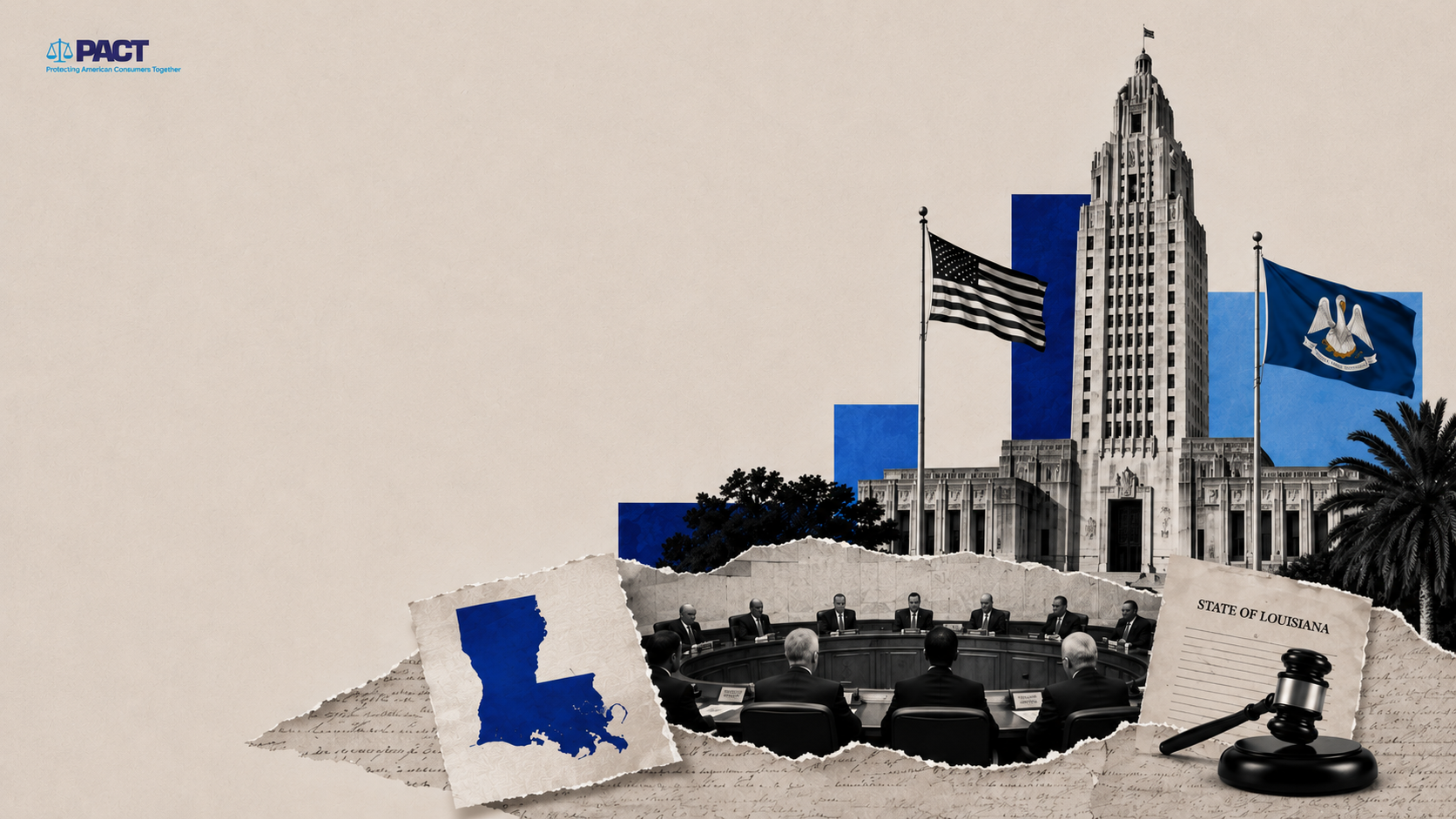
Louisiana recorded its first broad property and casualty insurance rate decline this decade in 2025. Overall premiums fell an average of 0.4 percent statewide, with private passenger auto leading the way at a 5.8 percent drop and delivering more than $340 million in statewide savings. Allstate received approval for a 7.5 percent auto rate decrease in early 2026, tied directly to lawsuit reform legislation signed by Governor Jeff Landry in May 2025. For families who have watched their premiums climb for years, that is welcome news. But it is not the finish line. Insurance Business Mag had the story.
Triple-I CEO Sean Kevelighan was measured about what the numbers mean:
“The data show that legislative reform works. But the work is far from finished in Louisiana. Legal system abuse remains deeply embedded in the state’s claims environment and sustained legislative action will be needed to make insurance reliably affordable for Louisiana families and businesses.”
The same report documenting those early rate gains makes clear why: Louisiana’s personal auto claims litigation rate runs more than twice the national average, bodily injury claims run nearly double the national norm. Louisiana accounts for 3.65 percent of the country’s bodily injury claims despite representing just 1.4 percent of the U.S. population.
That makes Louisiana’s TPLF record especially difficult to defend. A bill to tighten TPLF oversight was reintroduced in 2026 after failing in 2025. It died again in committee in June. Meanwhile, other states acted. In June 2026, North Carolina became the first state in the nation to impose an outright ban on third-party litigation funding, with the bill passing the Senate 45 to 1. Ohio Governor Mike DeWine signed legislation requiring funders to register with the state and disclose agreements, and New Hampshire enacted restrictions on foreign adversary entities funding in-state litigation. Louisiana’s legislature has now failed twice to pass even a disclosure requirement.
Georgia shows what sustained pressure can deliver. The result: a comprehensive lawsuit reform package passed and was signed into law, and Georgia was removed from ATRA’s Judicial Hellholes list entirely.
Louisiana Insurance Commissioner Tim Temple put the challenge plainly: “My priority for 2026 is to continue improving the insurance market by protecting consumers and increasing affordability and long-term availability across the state.”
Delivering on that requires the legislature to return to the TPLF question and finish the job. The states that have acted are already pulling ahead, and setting the stage for future reforms across the country.
This is not the state’s only unfinished business. Louisiana’s litigation environment still produces nuclear verdicts at a rate that outpaces nearly every other state, and the structural relationships between billboard attorneys, medical lien providers, and litigation funders that drive up claim costs remain largely intact. Staged crashes and coordinated fraud networks have operated in Louisiana for years, costing truckers and consumers millions while inflating premiums statewide. Phantom damages, whereby lawsuit recoveries are calculated using inflated medical bills rather than what patients actually paid, remain a live issue. Assignment of benefits misuse continues to distort claim costs. A 0.4 percent rate drop is a start. It is not a solution. Until Louisiana addresses the full architecture of legal system abuse, not just one piece of it, consumers will keep overpaying.