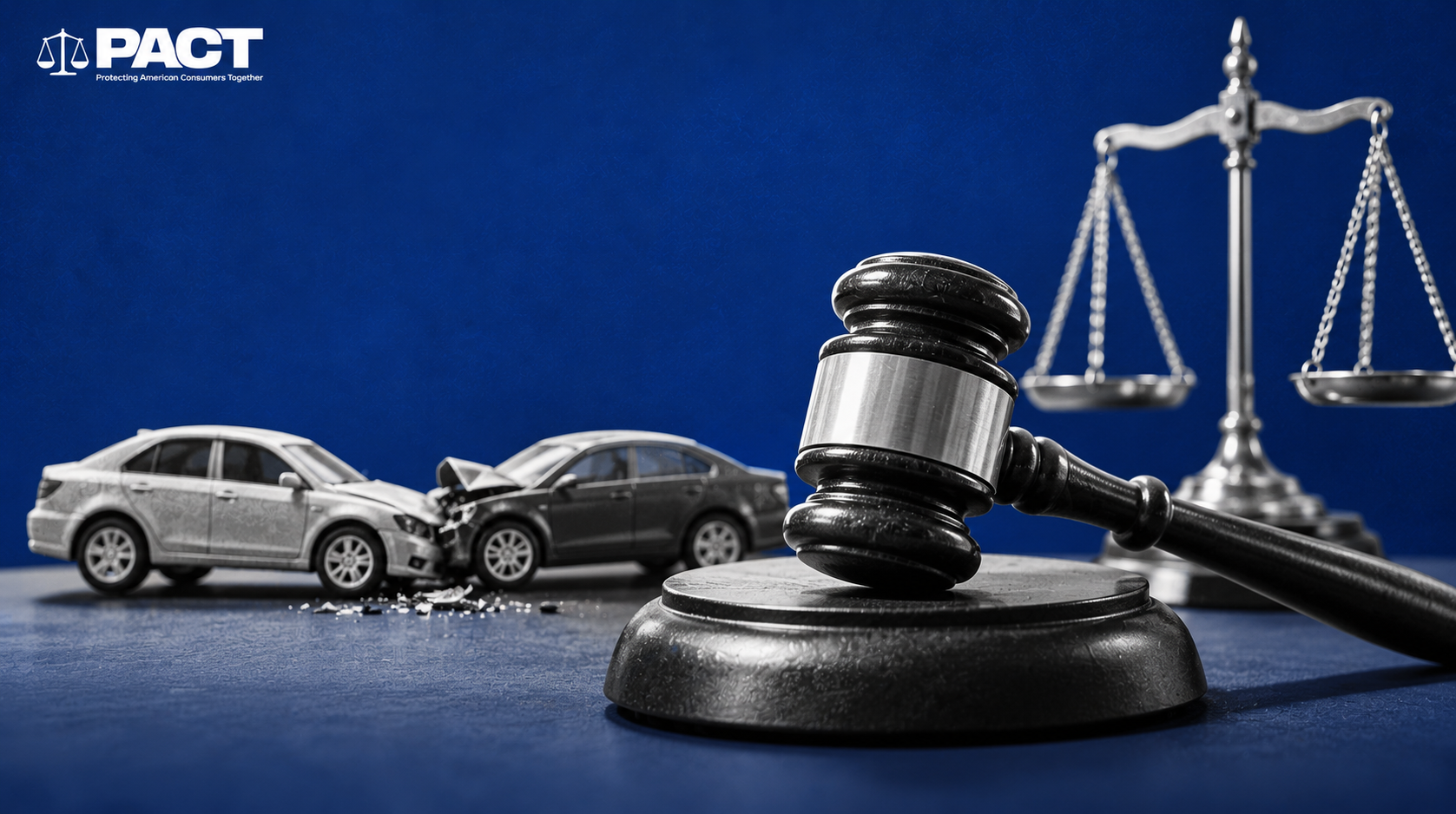
A New Orleans personal injury attorney is headed to federal prison for his role in one of the most brazen insurance fraud schemes in America. According to NOLA.com, he was sentenced to 32 months and ordered to pay about $657,000 in restitution. He admitted to helping orchestrate staged crashes into semi-trucks, which was uncovered in part of the federal investigation known as "Operation Sideswipe."
The prosecutor said the attorney's cooperation "made clear that plaintiffs attorneys were actually paying people to stage automobile wrecks with 18 wheelers." An insurance defense attorney who helped build the case put it bluntly: "I've seen lawyers exaggerate damages. I've seen lawyers exaggerate facts. I've never seen lawyers decide to fabricate entire accidents."
New York City is also grappling with a similar fraud scheme. According to recent reports, the city has filed a federal RICO suit against the Manhattan personal injury firm Asher & Associates, alleging it fabricated roadway injury claims to collect from taxpayers. The complaint says that "a punch in the jaw, a blow from a lead pipe, an opened car door, or an encounter with a hit and run driver is transformed into that 'defective, cracked, misleveled, broken, warped, elevated, depressed, or uneven' roadway owned or controlled by the City."
Twelve of the 15 claims cited in the complaint demanded $3 million each. The city says the firm dropped its cases after being confronted, and it calls them "the tip of the proverbial iceberg." The allegations have not yet been proven in court. The city's top lawyer summed up the stakes: "Personal injury laws exist to protect actual victims of trauma, not to line the pockets of people looking to make a quick buck off City taxpayers."
Whether it's a staged wreck in New Orleans or an invented road defect in Manhattan, the bill lands in the same place: your pockets. Fraud in the personal injury system is not just a New Orleans problem or a New York problem: it happens everywhere.
The pattern repeats elsewhere. On Long Island, a federal lawsuit alleges that runners recruited people to stage slip and fall accidents, according to Newsday. The common thread, however, is who pays. Fraudulent claims drive up insurance premiums, raise costs for businesses and drain money from public services. Honest people pay for every dishonest payout.