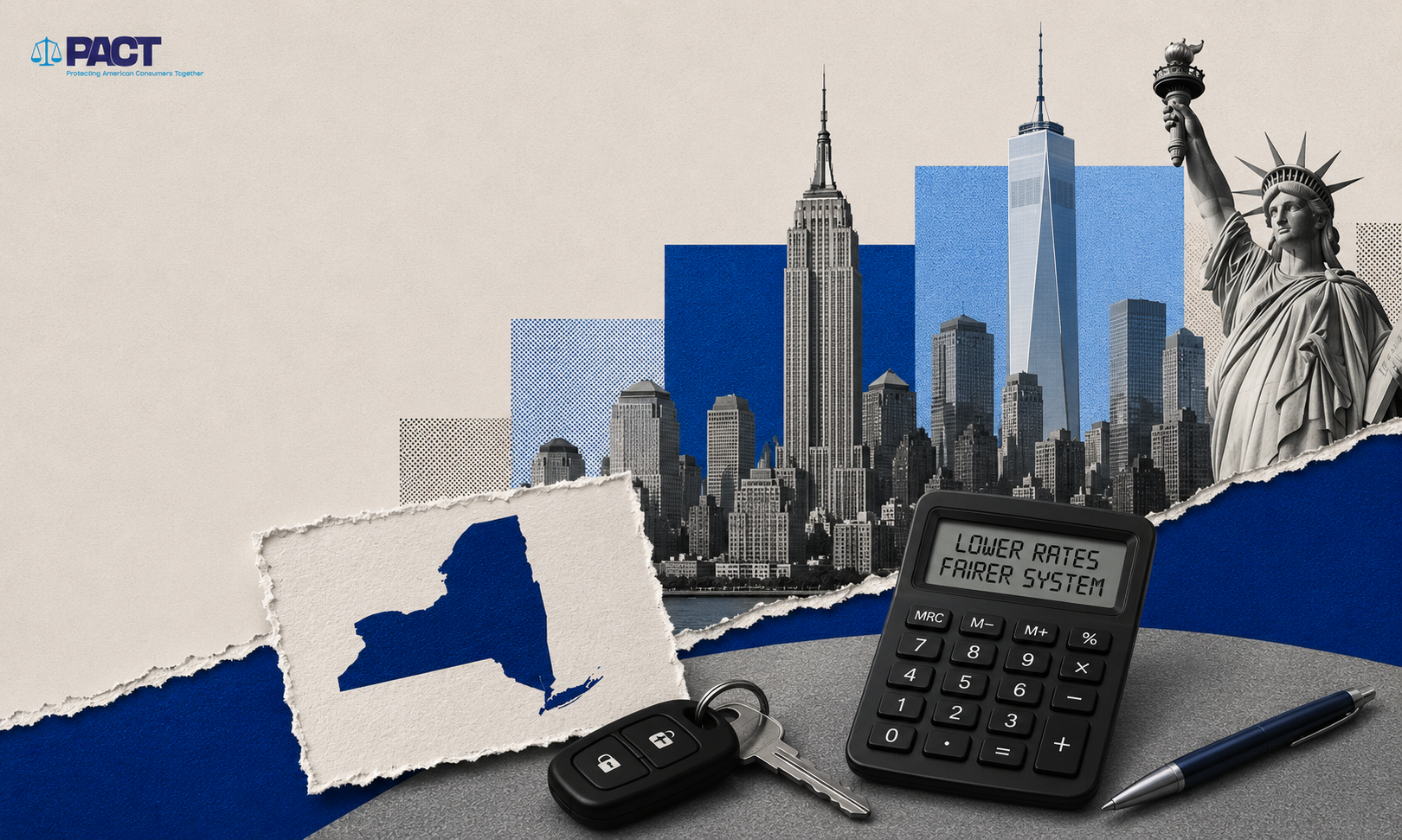
For years, New York has held the dubious distinction of having the highest auto insurance rates in the nation, averaging $4,000 a year, roughly $1,500 more than the national average. That cost falls hardest on working families who depend on their cars to get to jobs, schools, and grocery stores. Now, a package of reforms championed by Governor Kathy Hochul has gone into effect, and the state is demanding insurers reflect the savings in their rates. The Daily News Online had the story.
The reforms, enacted through the state budget, expand criminal liability for staged accidents to all participants, not just drivers, limit damages for people who were breaking the law at the time of an accident, require plaintiffs claiming pain and suffering to demonstrate actual injury, and cap damages for those found mostly at fault. Acting DFS Superintendent Kaitlyn Asrow made clear the expectation is immediate:
“Today’s guidance makes clear the department’s expectations that insurers include expected savings from Governor Hochul’s reforms in any pending and future rate applications.”
This is meaningful progress. New York’s auto insurance crisis is driven by rampant fraud, runaway litigation, and a legal environment that rewards bad actors. Governor Hochul herself acknowledged that rising premiums are “because of rampant fraud and runaway litigation costs,” and called out the organized nature of the problem. Staged accidents alone add an estimated $300 a year to the average driver’s bill. The New York Post Editorial Board warned that without reform, trial lawyers would keep raking in cash while everyone else paid through the nose.
The proof that this approach works is already on the books. Florida enacted sweeping lawsuit abuse reforms beginning in 2019, and the results have been dramatic: 42 auto insurers have filed rate decreases, USAA returned more than $1 billion to members, State Farm cut rates by more than 10%, and Governor DeSantis secured nearly $1 billion in premium credits for Progressive policyholders alone.
New York’s reforms are a real step in the right direction. But the guidance issued this week is only as strong as its enforcement. Insurers must follow through, and New York lawmakers must resist pressure to roll back or weaken what has been put in place. The path to affordability runs through a fairer legal system, and New York drivers are finally beginning to see that principle put into action.