Full story in the Tallahassee Democrat
By Don Brown
Florida drivers recently received excellent news about their auto insurance: rates are going down. In an announcement by Florida Insurance Commissioner Mike Yaworsky, the state said that policyholders should expect an average decrease of about 8 percent on their insurance rates.
For many families facing uncertain economic conditions and rising costs elsewhere, that announcement offers some much-needed financial relief. Just as important, it signals that the state’s landmark legal reforms passed in 2023 are delivering on its promise of reducing lawsuit abuse, stabilizing the insurance market, and lowering costs for consumers.
Evidence of that progress can be seen across the market. Last year, Progressive returned nearly $1 billion in credits to policyholders, providing immediate relief to drivers across the state. Meanwhile, State Farm has been steadily reducing its rates since 2024, signaling growing confidence in Florida’s insurance market.
In 2025, Florida ranked first in the nation for the lowest personal auto liability loss ratio, an important metric that measures how much insurers pay out in claims compared to the premiums they collect. Lower loss ratios generally indicate a healthier insurance market where costs are more predictable and manageable.
Even more striking is the improvement in physical damage loss ratios. In 2022, that figure stood at a troubling 112%, meaning insurers were paying out more in claims than they were collecting in premiums. That kind of imbalance is unsustainable and often leads to steep rate increases for policyholders. By 2025, however, the loss ratio had dropped dramatically to 49.5%. This was an enormous shift that reflects greater stability in the market and fewer costly claims driven by legal abuse.
For years, Florida was known nationally as a hotspot for lawsuit abuse and frivolous litigation. A disproportionate share of lawsuits, fueled by an aggressive trial bar and one-way attorney fee incentives, pushed insurers into costly settlements and inflated claims. Ultimately, those costs were passed along to everyday drivers in the form of higher premiums.
The legal reforms enacted in 2023 were designed specifically to address those problems. By curbing incentives for excessive litigation and tightening rules around attorney fee recoveries, lawmakers aimed to restore balance to a system that had become distorted by abuse.
So far, the results suggest the reforms are working. As litigation declines and insurers gain more certainty about potential costs, premiums, from homeowner insurance to auto insurance, have begun to stabilize – and, as the recent announcement shows, even fall.
Yet despite the progress, the reforms remain under constant pressure from the trial bar and its allies, who have repeatedly sought to roll back key provisions. During the 2025 legislative session, for example, opponents pushed to undo attorney fee reforms that had helped stop the flood of questionable lawsuits entering Florida’s courts.
In the 2026 session, they also opposed transparency measures being debated in Tallahassee that would require lawsuits to disclose whether they are financed by third-party funders and whether those funders are based overseas. Supporters argue that such disclosures are a matter of basic transparency, particularly when outside financial interests may be influencing litigation within the state’s legal system.
Meaningful change often faces resistance from those who benefited from the old system. But the insurance reforms passed in Florida demonstrate that thoughtful policy corrections can improve markets and reduce costs for consumers.
For Florida drivers, the recent rate decrease is more than a short-term financial break. It is a sign that the state’s insurance system may finally be moving in a more stable and sustainable direction. Maintaining that progress will require continued vigilance from policymakers, regulators, and consumers alike, but the early signs suggest Florida is on the right track.
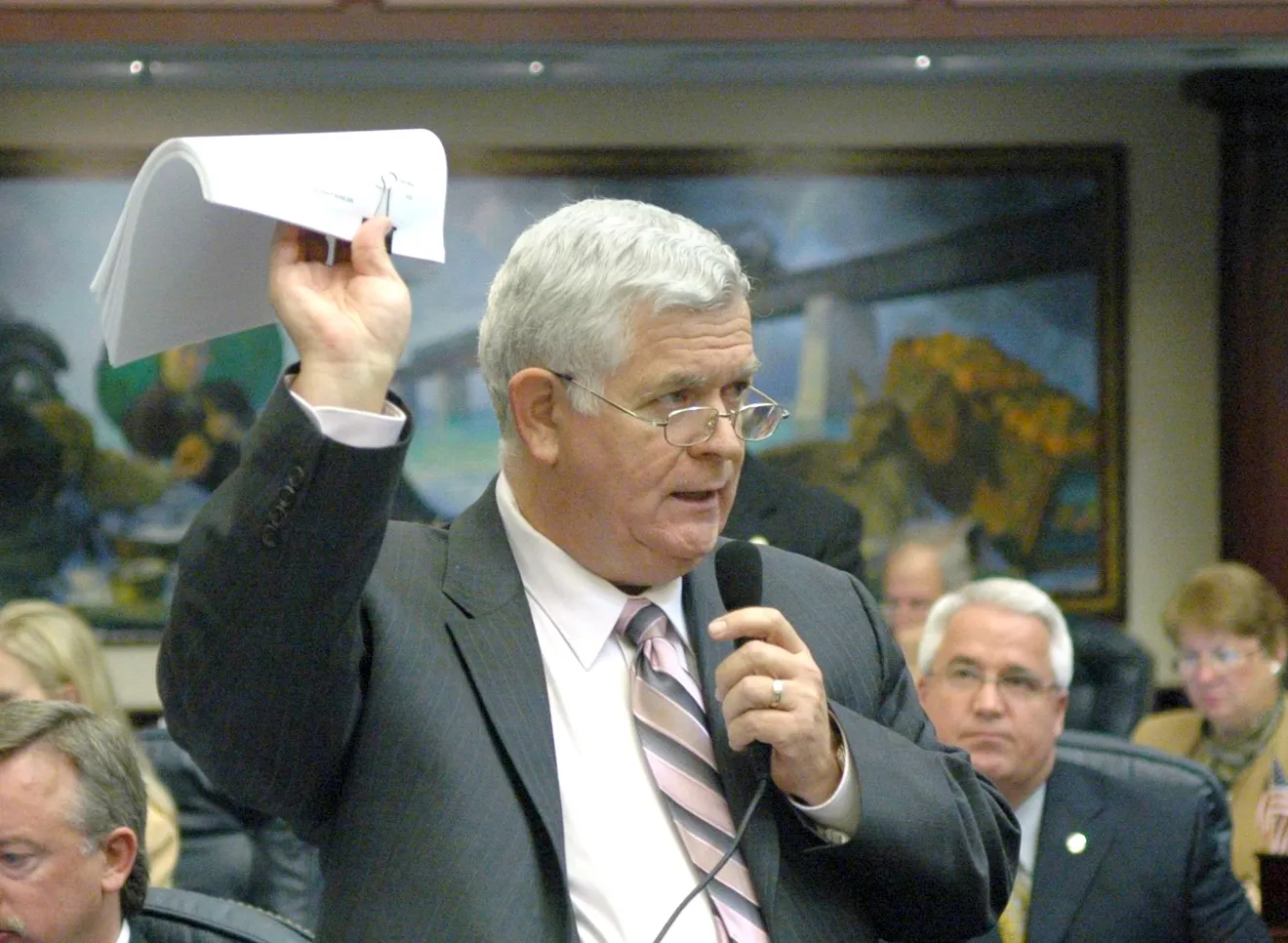
Don Brown is an independent insurance agent in DeFuniak Springs and a former state representative who served as chair of the Florida House Insurance Regulation Subcommittee.