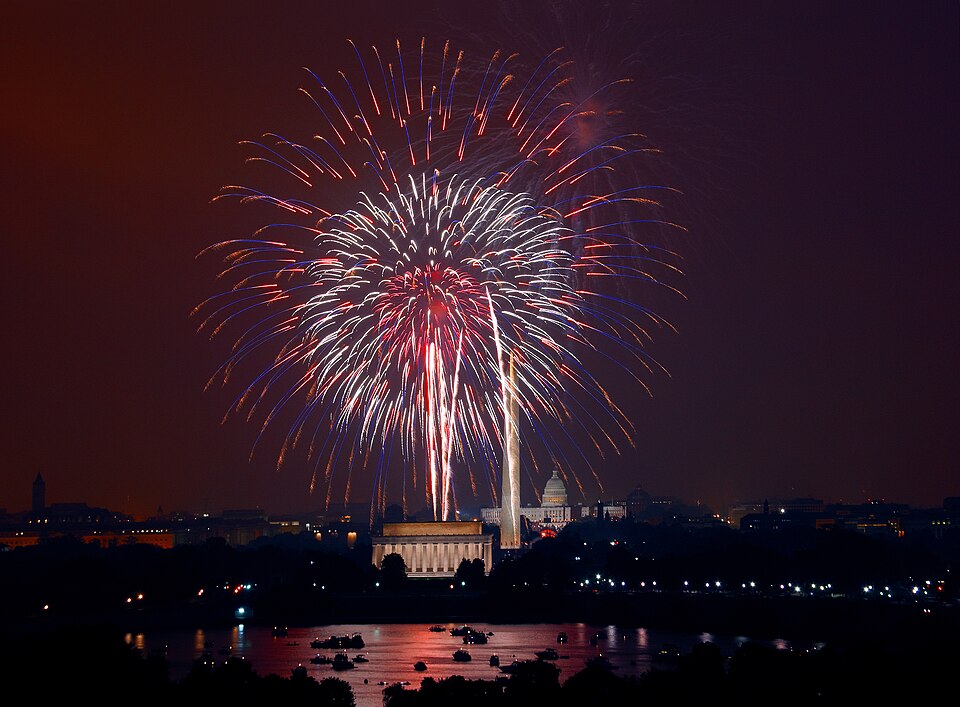
Washington, D.C. – America’s Fourth of July traditions are under attack from lawsuits, and Protecting American Consumers Together (PACT) is warning families that the celebration is increasingly at the mercy of billboard lawyers and litigation.
Across the country, beloved public fireworks shows that communities have enjoyed for decades are being threatened, scaled back, or shut down entirely by a small number of repeat plaintiffs and litigation groups. At the same time, personal-injury law firms are openly advertising to turn backyard celebrations into payouts, reminding hosts that the moment they invite guests over or light a fuse, they may be opening themselves up to liability.
“On our nation’s 250th Birthday, the Fourth of July should be about family, freedom, and celebrating this country, not about lawsuits wiping a town’s fireworks show off the calendar or billboard lawyers circling your backyard,” said Lauren Zelt, Executive Director of PACT. “When a handful of lawsuits can cancel a celebration that thousands of families look forward to all year, and when law firms openly advertise to turn a sparkler burn into a payday, it’s clear America’s lawsuit culture doesn’t take a holiday. Communities deserve to celebrate Independence Day without a legal ambush.”
Lawsuits are killing America’s public fireworks shows:
- Lake Tahoe, NV/CA. A Zephyr Cove couple sued the Lake Tahoe Visitors Authority under the Clean Water Act, alleging the 30-year-old July 4th and Labor Day shows polluted the lake. Facing the threat of up to $75 million in claimed fines, the authority voted to cancel the shows entirely if the case was not settled by a deadline, before reaching an agreement to keep them alive.
- SeaWorld San Diego. After environmental groups sued the park under the Clean Water Act in 2025 over fireworks debris in Mission Bay, SeaWorld agreed to replace its fireworks with drone shows. The groups themselves said the lawsuit was instrumental in forcing the switch.
- Athens, TN. A resident’s pending lawsuit against the city over a prior event was cited as the reason the city initially canceled its July 4th fireworks, billed the year before as the largest in East Tennessee.
Lawsuits are killing America’s public fireworks shows:
- The personal-injury industry markets aggressively around the holiday. The U.S. Consumer Product Safety Commission estimates fireworks were involved in roughly 14,700 emergency-room-treated injuries in 2024, with about two-thirds occurring in the weeks surrounding the Fourth of July. To the trial bar, every one of those is a potential client.
- Hosting a backyard fireworks show? Be careful who you invite. One Texas firm warns that a host can be held liable for “a lack of proper supervision or recklessly placing the fireworks,” and even for not having “first responders on standby.”
- Lighting fireworks yourself? One California firm advertises that “if you attended a get-together at another person’s home and you were injured on their property, they might be held liable for your injuries,” turning a neighbor’s hospitality into a target.
- Hurt even if you were partly at fault? One firm tells potential clients that “even if you are partly responsible for the accident that caused your injury you may be entitled to recover compensation,” encouraging claims regardless of who actually struck the match.
- A firework malfunctioned? One South Carolina firm recently announced a $290,000 settlement, paid through a homeowner’s insurance policy, for a guest injured by a mortar firework at a backyard Independence Day party, reminding consumers that “a serious fireworks injury may be covered by a homeowner’s insurance policy.”
PACT urges all families and hosts to take commonsense precautions this Fourth of July:
- If you do use fireworks, follow the safety basics. Designate a sober adult to handle them, keep a bucket of water or a hose nearby, keep spectators back, and never relight a “dud.”
- Inspect your property before guests arrive. Clear tripping hazards, secure cords and rugs, light walkways, and keep pool decks and stairs dry.
- Check your insurance coverage. Make sure your homeowner’s or renter’s liability policy is up to date before hosting a gathering.
Independence Day should be spent celebrating the country, not worrying about a lawsuit. But as long as litigation chips away at public celebrations and lawyers aggressively advertise for holiday-related claims, families and communities must stay vigilant.
For more information or for interviews, please contact PACT Executive Director Lauren Zelt at [email protected].